Introduction
Most home air conditioners can last 15–20 years, but how well they perform depends on the care they receive. Completing a few maintenance tasks each spring can help your system run smoothly, use less energy, and keep your home comfortable during the warmer months. This is especially important when Preparing Your AC for Hot Weather, ensuring your cooling system is ready to handle rising temperatures efficiently.
Below is a practical, step-by-step guide on how to get Preparing Your AC for Hot Weather, tailored for Canadian homeowners — especially those living in Ontario, where summers can be warm and humid.
1. Remove Any Winter Covering
Many homeowners cover their outdoor AC unit during the winter to protect it from snow, ice, and falling debris. If you placed a tarp, plastic cover, or specially made wrap over the unit last fall, the first spring task when Preparing Your AC for Hot Weather is to remove it.
Most manufacturers note that covers aren’t essential for modern outdoor units, but some people still choose to use them.
Be sure to take off the cover before turning on your system. Leaving it on blocks airflow and prevents the air conditioner from working properly. Removing it also gives you the chance to check for signs of animals or debris that may have found their way inside during the cold months.
2. Inspect and Replace Your Air Filters
Your air filter plays a big role in your AC’s performance. A clogged or dirty filter restricts airflow, makes your cooling system work harder, and can increase your energy bills.
It’s a good idea to check your filter at the start of spring — especially after a long heating season, when most homeowners have been running their furnace for months. Even if you replaced the filter in the fall, it’s likely due for a change by spring.
A clean filter helps:
- Improve airflow
- Maintain indoor comfort
- Reduce strain on the system
- Keep dust and allergens out of your home’s air
Most Canadian households replace their filter every 3–6 months, though some homes with pets or allergies may need to do it more often.
If you’re unsure which filter you need, check your furnace or HVAC system’s manual to match the correct size and rating.
3. Look for Leaks and Seal Problem Areas
Your ducts play a key role in delivering cool air throughout your home. Small leaks can lead to uneven cooling, weak airflow, and higher energy use. While a full duct inspection requires professional equipment, you can check exposed ductwork yourself — typically found in unfinished basements or utility areas.
If you spot visible gaps or loose joints, sealing them with HVAC-approved foil tape can provide a quick improvement.
Leaks around your home can also reduce cooling efficiency. Warm outdoor air can enter through:
- Gaps around windows
- Cracks in exterior walls
- Poorly sealed doors
- Older or deteriorated weatherstripping
Sealing these areas helps keep cool air inside during the summer and prevents your AC from running longer than necessary. Improving insulation around the home also provides long-term savings.
While duct cleaning isn’t needed every year, some homeowners choose to clean their ducts every few years to maintain better airflow and indoor air quality.
4. Clean the Outdoor AC Unit
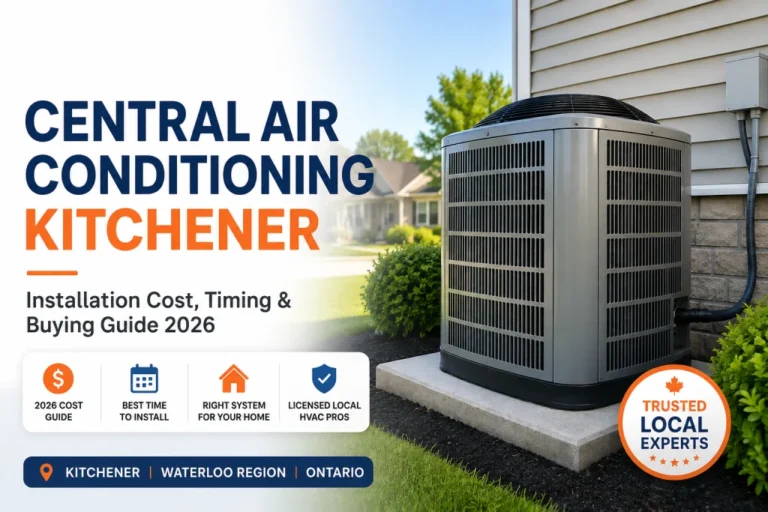
The outdoor portion of your air conditioner — often called the condenser — collects debris over the fall and winter. Leaves, twigs, dirt, and even small stones can build up inside and around the unit.
Cleaning the exterior unit helps improve airflow and reduces the chance of mechanical issues when you start using it again.
Here’s what to check:
Clear Debris
Remove leaves, branches, or any material that’s settled inside or on top of the unit. Be gentle when working around the coil fins, as they can bend easily.
Clean the Condenser Coils
Dust and dirt on the coils can reduce your AC’s cooling efficiency. Light cleaning with a soft brush or cloth can help remove buildup. If the coils are extremely dirty, consider having a technician deep-clean them during a tune-up.
Wipe or Vacuum Fan Blades
Over time, the fan blades gather dust. Cleaning them helps the motor run more smoothly.
Trim Vegetation
Make sure bushes, plants, and tall grass are trimmed back at least 2–3 feet around the unit to ensure proper airflow.
A cleaner outdoor unit helps your AC run more efficiently, which can lead to better cooling and potentially lower electricity bills.
5. Check Coolant Lines and Insulation
Refrigerant lines carry the coolant that absorbs heat from inside your home. These lines usually have foam insulation on them to prevent energy loss.
During the winter, insulation can become damaged by ice, animals, or general wear. Inspect the visible lines leading from your outdoor unit to your home.
Look for:
- Cracked or missing insulation
- Damage from weather
- Exposed copper tubing
If you spot any issues, replacing the insulation is usually straightforward and inexpensive.
Although refrigerant leaks are less common, they can happen due to physical damage or aging lines. If you smell something unusual, notice poor cooling, or see ice forming on the lines, it’s important to have a certified HVAC technician check for leaks. Refrigerants are regulated substances and should only be handled by trained professionals.
6. Test Your Air Conditioner
Once you’ve cleaned the unit and completed your basic checks, it’s time to turn the system on.
How to Test It
- Ensure all tools and debris are cleared away.
- Set your thermostat to “cool.”
- Lower the temperature a few degrees to activate the system.
- Listen for unusual noises.
- Check that cool air is coming from the vents.
If everything sounds and feels normal, your AC is likely ready for summer.
If you notice strange noises, weak airflow, warm air, or the system doesn’t start at all, it’s a good idea to contact a licensed HVAC technician. Early spring is usually the best time to schedule repairs before the summer rush begins.
7. Schedule Professional Maintenance
While many parts of air conditioner upkeep can be done at home, a yearly professional tune-up is highly recommended — especially in Ontario, where AC systems often run for long stretches during heatwaves.
A technician can:
- Check electrical connections
- Inspect refrigerant levels (if a leak is suspected)
- Clean internal components
- Test overall system performance
- Identify potential issues before they become costly repairs
Routine maintenance can extend your AC’s lifespan, reduce breakdowns, and improve cooling efficiency.
⭐Final Thoughts
Preparing Your AC for Hot Weather doesn’t need to be complicated. With a bit of seasonal maintenance and attention to key components, you can help your system run smoothly and reliably throughout the warmer months.
For expert guidance and access to licensed contractors across Ontario and Canada, visit acprices.ca to learn more or request a free quote.
visit Natural Resources Canada – Energy Efficiency to learn energy-saving tips and make informed decisions for comfort and efficiency.
❓ Frequently Asked Questions
1. How often should I service my air conditioner in Canada?
Most homeowners benefit from a professional AC tune-up once a year, ideally in the spring before the hot weather arrives.
2. Do I need to change my air filter before summer?
Yes. Replacing your air filter in early spring helps improve airflow, cooling performance, and indoor air quality after the long heating season.
3. Is it safe to clean my outdoor AC unit myself?
Basic cleaning—like removing leaves or gently wiping the coils—is safe for most homeowners. Anything involving internal components should be left to a technician.
4. What are signs my air conditioner needs repair?
Warm air from vents, weak airflow, unusual noises, or ice on refrigerant lines typically indicate a problem that requires professional attention.
 Canadian