

Air Conditioner Maintenance Tips: How to Keep Your A/C Running Smoothly in Canada

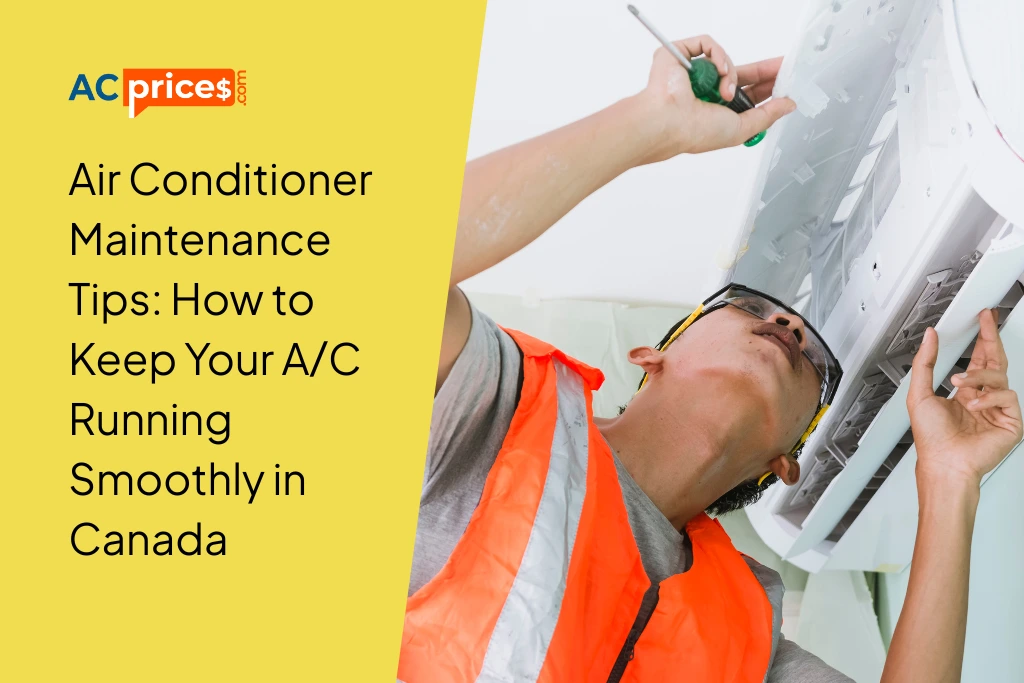
Introduction
A reliable air conditioner makes a world of difference during Canada’s warm summer months—especially in Ontario, where humidity and heat waves can appear quickly. Like any major home system, your A/C needs consistent care to deliver strong performance and avoid unexpected breakdowns. With regular Air Conditioner Maintenance, homeowners can enjoy better cooling, lower energy bills, and a longer system lifespan.
This guide walks you through how long an air conditioner typically lasts, what affects that lifespan, and the most important maintenance steps for both the outdoor and indoor components of a central air system.
13FAQ
What Is the Average Lifespan of an Air Conditioner?
Most modern air conditioners last around 15 years, although the exact lifespan depends on how well the unit is maintained and how heavily it is used. Proper Air Conditioner Maintenance—such as annual tune-ups, filter changes, and coil cleaning—plays a major role in helping your system operate efficiently throughout its service life.
Canadian homeowners, especially those in Ontario, should also keep in mind that climate matters. Harsh winters, freezing temperatures, snow coverage, and repeated thaw cycles can put additional stress on the outdoor unit. With routine upkeep, however, you can reduce that wear and keep your system performing well for many seasons.
If you’re installing a new A/C, always speak to your technician about the right maintenance routine for your specific model. Proper care from the start helps ensure you get the full value of your investment.
Factors That Influence the Lifespan of a Central Air Conditioner
Several variables affect how long your air conditioner will last:
- Correct sizing – Oversized systems cycle on and off frequently, while undersized units run too long. Both shorten lifespan.
- Usage habits – Temperature settings, daily cooling patterns, and thermostat choices all influence wear.
- Outdoor climate – Winter snow, ice buildup, and moisture exposure can lead to extra corrosion or wear.
- Maintenance quality – A well-maintained system outperforms one that’s neglected.
By staying proactive, you can greatly extend the life of your unit.
Central Air Conditioner Maintenance: Why Annual Service Matters
Before the cooling season begins, it’s smart to schedule a professional tune-up. A certified HVAC technician can inspect the system, verify proper operation, and confirm that winter weather hasn’t caused damage. Issues caught early are typically easier and more affordable to repair.
Annual Air Conditioner Maintenance is not just about preventing breakdowns—it also helps optimize airflow, efficiency, and long-term reliability.
How to Extend the Life of Your Air Conditioner
The best way to make your air conditioner last longer is to follow a consistent maintenance routine. Every spring, homeowners should dedicate time to inspecting, cleaning, and preparing the system. Air Conditioner Maintenance for both the outdoor and indoor components is crucial since each plays a role in how effectively your home stays cool.
Below is a detailed breakdown of the top maintenance steps you can take each year.
Outdoor Unit Air Conditioner Maintenance
The outdoor condenser is often exposed to branches, wind, debris, pets, and weather fluctuations. Keeping this part of the system in good condition will significantly improve cooling performance.
1) Maintain the Area Around the Outdoor Unit
One of the simplest yet most overlooked parts of Air Conditioner Maintenance is keeping the surrounding area tidy. Grass, weeds, shrubs, and vines can grow close to the unit and restrict airflow. Poor airflow forces your A/C to work harder, which increases energy use and shortens lifespan.
Keep at least 1.5 to 2 feet of open space on all sides of the unit and ensure the space above it—about 4 feet—is clear. This helps prevent overheating, rust from trapped moisture, and small animals from trying to nest inside.
2) Rinse the Unit Using a Garden Hose
At the start and end of each cooling season, give the outdoor unit a gentle rinse. Use a regular garden hose—not a pressure washer—to wash away dust, pollen, and dirt. High-pressure water can bend delicate components, so stick to low-pressure cleanup.
A simple rinse prevents buildup that could otherwise clog the coils and reduce efficiency.
3) Straighten Any Bent Fins
The thin metal fins around the condenser help release heat, making them an essential part of the cooling process. If they become bent or crushed, airflow decreases.
To fix this:
- Turn the power off to the system.
- Remove the exterior cover.
- Use a fin comb or a flat, thin tool to gently straighten the fins.
Work slowly and avoid forcing anything, as the fins are easily damaged.
4) Clean the Condenser Coils With the Right Cleaner
Coil cleaners designed for outdoor units can be very effective, but they must be used carefully. Always read the directions and avoid getting the cleaner on your skin or eyes. These cleaners require rinsing and are only safe for exterior coils. Never use them indoors, where fumes can pose a safety risk.
When used properly, coil cleaners significantly improve heat transfer and overall system efficiency.
5) Make Sure the Unit Is Level
A tilted or uneven condenser can cause several problems, including:
- Poor refrigerant flow
- Added strain on internal components
- Increased vibration or noise
- Reduced lifespan
The unit should sit flat on its base. If it tilts, adjust it using gravel, concrete pads, shims, or another stable base material.
Indoor Unit Air Conditioner Maintenance
Your indoor A/C components connect directly to the furnace, which houses the blower responsible for pushing cool air throughout the home. Indoor Air Conditioner Maintenance is just as important as outdoor care.
1) Clean or Replace Your Air Filter Regularly
Changing the filter every three months is one of the most important maintenance steps. If you have pets or live in a dusty area, you may need to check the filter more often.
A clogged filter restricts airflow, reduces cooling efficiency, and forces the blower to work harder. This can lead to higher energy bills and long-term damage. If reusable filters are part of your system, vacuum them frequently to remove dust.
2) Empty the Condensate Drain Pan
As the A/C runs, it removes humidity from the air. That moisture collects in a drain pan that can rust, warp, or grow algae if left neglected. Regularly emptying and cleaning the drain pan helps prevent mold, blockages, and unpleasant odours.
3) Clean the Evaporator Coils on the Furnace
The evaporator coils inside your furnace are different from the condenser coils outside. They require a specific indoor coil cleaner—usually a no-rinse foam cleaner designed for evaporators. When the system runs, condensation naturally washes away the cleaner.
Cleaning the coils improves cooling performance and prevents dirt from blocking airflow.
4) Inspect the Blower
A well-functioning blower ensures consistent airflow throughout your home. During maintenance, examine the blower wheel and housing for dust buildup, rust, or signs of wear.
Check for:
- Bent fan blades
- Unusual wobbling
- Excessive dirt
- Difficulty spinning
If the blower looks damaged or unbalanced, schedule a professional inspection.
5) Keep Heating and Cooling Vents Clear
Airflow is essential for both heating and cooling. Walk through your home and confirm that no furniture, carpets, or storage items are covering vents or returns. When vents are blocked, pressure builds inside the system, reducing efficiency and increasing mechanical stress.
General Air Conditioner Maintenance Tips
Beyond the specific indoor and outdoor tasks, several general maintenance habits can help your system run more efficiently all summer long.
1) Turn Off Power Before Beginning Any Maintenance
For safety, always shut off the A/C system before cleaning or inspecting it. Sudden power surges or accidental contact with electrical components can cause injury or damage.
2) Identify Air Leaks Around Your Home
Sealing air leaks supports overall energy efficiency. Gaps around windows, doors, and utility openings allow warm air into your home and let conditioned air escape.
Look for:
- Cracked caulking
- Worn weatherstripping
- Gaps around outlets or baseboards
- Openings near plumbing or vents
Simple fixes like caulk, spray foam, door sweeps, or outlet gaskets can significantly improve comfort and reduce strain on the A/C.
3) Keep Windows Covered During Peak Sunlight
Even with a well-maintained air conditioner, direct sun exposure warms your home quickly. Closing blinds or curtains during the hottest parts of the day helps reduce heat gain and lowers the workload on your A/C.
Planting shade trees outside south-facing windows can also help—providing natural cooling in summer while still allowing sunlight in during the winter.
4) Upgrade to a Programmable or Smart Thermostat
A programmable thermostat is a simple way to improve comfort and reduce energy use. By scheduling cooling cycles, setting gradual temperature adjustments, and receiving maintenance reminders, your A/C runs more efficiently with less stress.
5) Keep Airflow Unrestricted Throughout the Home
Closing vents or shutting off unused rooms may seem like a way to save energy, but it often has the opposite effect. Restricted airflow increases system pressure, reduces cooling performance, and can introduce moisture problems.
Your air conditioner was sized to cool your entire home, not just part of it. Leave doors and vents open to promote consistent airflow.
6) Schedule Annual Professional Maintenance
While many Air Conditioner Maintenance tasks are safe for homeowners, an annual checkup from a licensed HVAC technician is essential. A professional can:
- Inspect electrical components
- Ensure refrigerant levels are correct
- Detect early signs of wear
- Test system performance
This helps avoid major repairs and keeps your air conditioner operating efficiently.
Seasonal Air Conditioner Maintenance Checklist
Every spring or fall, go through this list to prepare your system for the upcoming season:
- Inspect electrical connections
- Test the thermostat
- Replace or clean air filters
- Clean the evaporator coil
- Inspect the blower motor and wheel
- Flush or clear the condensate drain
- Check ductwork for leaks
- Clear debris around the outdoor unit
- Clean condenser coils
- Inspect refrigerant lines
- Check fan blades and motor
- Level the outdoor unit if needed
- Ensure proper system start-up and shut-down
- Listen for unusual noises
- Schedule a professional tune-up
Energy-Saving Tips During Air Conditioner Maintenance
Regular maintenance directly supports better energy efficiency. For best results:
- Clean filters monthly or quarterly
- Keep blowers and coils clean
- Remove debris around the outdoor unit
- Use a smart thermostat
- Seal duct leaks
- Shade the outdoor condenser when possible
Small improvements add up to lower energy bills and a more comfortable home.
Common Mistakes to Avoid
During Air Conditioner Maintenance, avoid these common missteps:
- Leaving the power on while working
- Forgetting to change the filter
- Using harsh chemicals or pressure washers
- Ignoring drain pan clogs
- Blocking vents
- Attempting to handle refrigerant yourself
- Skipping annual professional servicing
Avoiding these mistakes helps protect your system and reduces costly repair risks.
When to Call a Professional
Some issues require trained technicians. You should schedule service if your air conditioner:
- Blows warm air
- Has unusually high energy bills
- Leaks water
- Produces strange noises or smells
- Struggles with airflow
- Freezes up
- Cycles on and off frequently
If you’re unsure, don’t risk further damage—call a licensed HVAC technician.
For general safety and reference, you can also explore resources from the Government of Canada on home energy efficiency
FAQ
1. How often should I clean or replace my A/C air filter?
Every three months, or more frequently if you have pets or allergies.
2. Can spraying water on my outdoor unit damage it?
No, as long as you use a gentle stream and avoid electrical components. Never use a pressure washer.
3. Is annual professional maintenance really necessary?
Yes—technicians check components homeowners can’t safely access and help catch early signs of failure.
4. Why is proper airflow so important?
Blocked airflow forces the A/C to work harder, reducing efficiency and increasing wear over time.
Have questions about choosing or maintaining the right air conditioner for your home?
Explore expert guides, comparisons, and contractor resources at acprices.ca You can also request free quotes from trusted Canadian HVAC professionals.