
8 Signs It Might Be Time to Replace Your Air Conditioner

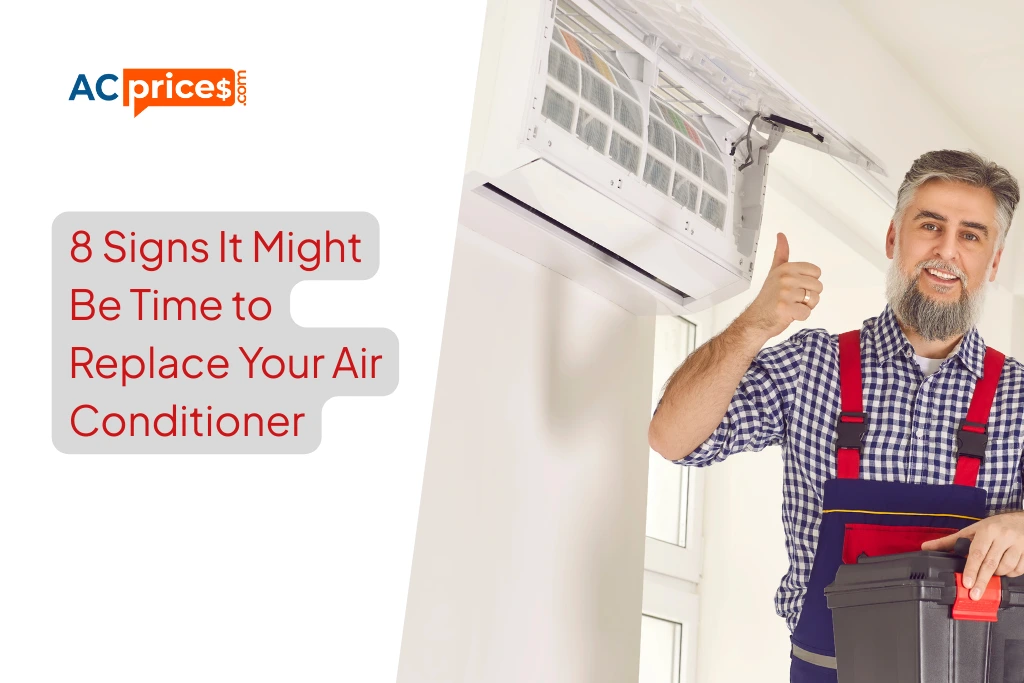
A well-maintained central air conditioner can often deliver 15 years or more of dependable cooling. Still, even the best systems eventually begin to show their age. If your air conditioner isn’t performing like it used to, or if repairs are becoming a regular event, it may be time to start thinking about an air conditioner replacement.
Below are eight common signs that suggest your AC may be nearing the end of its lifespan—and what you can do about it as a Canadian homeowner.
1. Your AC Is Blowing Warm Air
One of the clearest indicators that something is wrong is when your air conditioner starts pushing out warm or room-temperature air. A few minor issues—like a dirty filter or an incorrect thermostat setting—can occasionally cause this, but consistent warm airflow usually points to something more serious.
A failing or leaking refrigerant line is one common culprit. Small leaks can sometimes be repaired, but large or repeated leaks typically mean the system is on its way out. A damaged compressor is another possibility. Since the compressor is one of the most expensive components in the entire system, replacing the whole unit is often the more practical option, especially if your AC is already 10–15 years old.
If you find yourself adjusting the thermostat repeatedly just to stay cool, or you notice warm air coming from the vents even though the system is running, this is usually a sign to start evaluating AC replacement options.
2. Your AC Makes Strange or Concerning Noises
Air conditioners aren’t silent, but the sounds they make should be relatively steady and predictable. When new or unusual noises appear—like clanking, banging, buzzing, squealing, or grinding—it usually means something inside the system needs attention.
For example:
- Banging or clanking can indicate loose components, a failing fan blade, or a worn compressor.
- Squealing often points to belt or motor issues.
- Grinding noises usually mean components are under severe stress.
Older systems are more prone to these issues because parts wear out over time. If your AC is making noises you haven’t heard before, it’s best to have it looked at by a licensed HVAC technician. They can typically diagnose the issue quickly by listening to the unit operate.
If the fix is minor, a repair might do the trick. But if the technician recommends major parts replacements, it may be more cost-effective in the long run to invest in a new air conditioner rather than putting more money into an older one that may continue to deteriorate.
3. You’re Paying for Frequent Repairs
Most air conditioners are designed to operate reliably with only periodic maintenance and the occasional small repair. If, however, you find yourself calling an HVAC technician every season—or worse, every few months—it could mean there’s a deeper problem that isn’t being fully resolved.
Frequent repairs add up quickly, especially when you factor in labour, diagnostic fees, and replacement parts. When multiple components begin to fail one after another, this usually signals that the system is nearing the end of its usable life.
How Maintenance Affects Longevity
Well-maintained systems fare better over time. Annual servicing can:
- Keep efficiency levels high
- Catch small problems early
- Extend the life of key components
- Prevent surprise breakdowns during heatwaves
If your unit has been neglected for years, or if maintenance was inconsistent, issues may compound more quickly.
When Replacement Makes More Financial Sense
A common guideline used in the HVAC industry is this:
If a repair costs more than half the price of a new air conditioner, replacing the system is usually the better investment.
For many homeowners, the choice comes down to long-term value. A new AC provides:
- Improved energy efficiency
- Updated technology
- Quiet operation
- Lower repair and maintenance costs
- A fresh manufacturer warranty
For these reasons, many Canadians choose replacement over continuing to patch an aging system that’s no longer dependable.
4. A Major Component Has Failed
Even if your AC seems to run fine most of the time, a failure of a major part—like the evaporator coil, condenser coil, or compressor—can force an unexpected decision.
These parts are among the most expensive to replace. When an older system experiences a major failure, the cost of the repair may not be worth it. For example, replacing a compressor in a unit that’s already 12 years old may only delay the inevitable.
If your AC is approaching the end of its typical lifespan and a major part fails, replacing the entire system is often more economical. You also benefit from a full warranty on the new unit, which helps limit repair expenses in the coming years.
5. Your Energy Bills Keep Climbing
As air conditioners age, they naturally become less efficient. Components wear out, airflow decreases, and the system must work harder to cool your home—especially during Ontario’s humid summers. That extra strain is often reflected on your monthly energy bills.
Small improvements—like changing the air filter or cleaning the outdoor unit—can sometimes restore some efficiency. But when bills continue rising despite routine maintenance, the AC itself may be to blame.
Why Upgrading Saves Energy
Modern systems are significantly more efficient than older models. Newer ACs sold in Canada commonly offer SEER ratings between 16 and 18, providing a good balance of performance and affordability for most homes.
Upgrading to a new model can help you:
- Reduce energy consumption
- Improve home comfort
- Lower your summer cooling costs
If you’ve noticed steady increases in your hydro bills and nothing else in your home has changed, an air conditioner replacement is worth considering.
6. Your AC Is Over 10–15 Years Old
Most central air conditioners in Canada last between 10 and 15 years, depending on usage, climate, installation quality, and maintenance habits. Once a unit reaches this age range, its efficiency and reliability can drop quickly.
Even if an older system seems to be running “well enough,” it may be using far more energy than a new model would. Components inside the unit degrade over time, causing longer run times and higher operating costs.
Replacing an aging AC with a modern, energy-efficient model can help you:
- Maintain consistent temperature control
- Improve indoor air quality
- Reduce energy usage
- Avoid unexpected breakdowns
What Affects an AC’s Lifespan?
Several factors influence how long a system will last:
- Installation quality — A properly installed system performs better and experiences less wear.
- Correct sizing — An undersized or oversized AC wears out more quickly.
- Maintenance — Regular tune-ups can extend the lifespan significantly.
- Usage habits — Constant heavy use places more strain on the system.
- Indoor/outdoor air quality — Dust, humidity, pet dander, and pollution accelerate wear.
Thermostat Settings Also Matter
Running the AC at very low temperatures forces the system to work overtime. Setting your thermostat a few degrees higher—especially during heatwaves—reduces strain on the compressor and can help extend the life of the unit. Smart thermostats make this even easier by automating temperature adjustments.
Annual Maintenance Helps Prevent Early Failure
Routine maintenance is one of the best ways to keep your AC operating efficiently. A licensed HVAC technician will typically:
- Replace air filters
- Clean the evaporator and condenser coils
- Inspect electrical components
- Clear the condensate drain line
- Check the refrigerant level
- Lubricate moving parts
- Clean around the outdoor unit
Skipping maintenance for several years can lead to premature system failure and reduced comfort.
7. Your Home No Longer Feels Comfortable
Another major sign that your AC may be failing is if your home doesn’t feel as cool or comfortable as it used to—even though the system seems to be running normally.
If your AC needs to run almost constantly to maintain the temperature, or if you notice certain rooms never get cool enough, there could be issues such as:
- Reduced airflow
- Failing internal components
- Low refrigerant levels
- A thermostat that’s no longer accurate
- An AC that’s simply too old to keep up
Humidity issues are also a red flag. Air conditioners don’t just cool your home—they also help dehumidify it. When humidity remains high indoors, the home feels warmer and more stagnant. An AC that struggles to control humidity may be nearing the end of its useful life.
While insulation problems, blocked vents, or poor duct design can also affect comfort, older systems often struggle the most during peak summer heat.
8. Your System Uses R-22 Refrigerant
Older air conditioners manufactured before 2010 commonly used R-22 refrigerant, which was phased out in Canada in 2020 due to environmental concerns. While servicing R-22 systems is still possible, the refrigerant is no longer produced and must come from recycled sources—making it increasingly expensive.
If your AC still runs on R-22, consider the following:
- Repairs involving refrigerant will cost more
- Replacement parts may be harder to obtain
- The system is likely old and inefficient
- Upgrading is usually the more cost-effective choice
Today’s AC units use environmentally safer refrigerants with lower global warming potential, along with more efficient designs that help reduce your overall energy use.
Choosing the Right Replacement for Your Home
Recognizing the signs of a failing air conditioner is the first step. The next step is choosing a replacement that suits your home, climate, and budget. Factors like system size, energy efficiency, noise levels, and warranty coverage all play a role.
A qualified HVAC technician can perform a proper load calculation to ensure the system is sized correctly for your home—something especially important in Ontario’s mix of humid summers and cold winters.
Final Thoughts
Air conditioners are reliable machines, but like all equipment, they wear out over time. Whether your AC is blowing warm air, breaking down frequently, or simply costing too much to operate, replacing it can improve comfort, reduce energy bills, and give you peace of mind during the hottest months.
If you’re starting to explore options for an air conditioner replacement, take your time to compare efficiency ratings, features, and installation quotes from certified local contractors.
Have questions about choosing the right AC for your home? Our expert-backed guides and contractor directory can help you compare options with confidence.
Visit acprices.ca to learn more or request a free quote today.
📌 When Are You Planning to Install a New AC?
Let us know your preferred timeline so we can match you with the right local professionals:
- 🔥 Need installation right away? (Next 2–3 days)
- ⏳ Planning it within the next few weeks?
- 🤔 Still comparing options or exploring pricing?
👉 Request quotes based on your timeline and location
📍 Canadian Cities We Commonly Serve
We help homeowners across Ontario and Canada review cooling options, compare installation costs, and connect with dependable HVAC companies.
Frequently supported service areas include:
Our network of certified contractors covers most major Canadian regions, offering support whether you’re replacing an older system or evaluating new AC models.
👉 See the full list of service regions
🏆 Trusted By Recognized Canadian HVAC Associations
The contractors we feature often belong to respected national and provincial organizations, such as:
- Mechanical Contractors Association of Canada
- Canadian Institute of Plumbing & Heating
- Thermal Environmental Comfort Association
- Heating, Refrigeration and Air Conditioning Institute of Canada
These memberships reflect ongoing training, safety standards, and high-quality installation practices.
💰 Key Factors That Influence AC Installation Pricing
Air conditioning costs can vary widely depending on your home and local market conditions. Some of the biggest contributors include:
- Cooling capacity required – Larger homes need higher-output units
- Installation requirements – Electrical upgrades, duct adjustments, or line-set changes can add cost
- Your location – Labour rates and demand vary across provinces and cities
- Repair vs. full replacement – Replacing the entire system is typically more expensive than repairing components
Understanding these variables helps you budget accurately for your project.
📞 Thinking About Installing a New AC?
You can compare estimates from nearby HVAC professionals to find the best fit for your home.
👉 Get fast, no-obligation quotes