A smart thermostats can significantly reduce heating and air conditioning costs in Canada—but only if it’s chosen and used correctly. This guide is written for Canadian homeowners, landlords, and cost-conscious buyers who want real answers: How much can you actually save, which systems work best, and when does a smart thermostat make financial sense? Drawing from real-world HVAC pricing behavior and energy-use patterns in Canada, this article breaks down the true cost-versus-savings equation—without hype.
Heating and cooling account for the largest share of residential energy bills in Canada. A smart thermostat targets that exact problem by improving how and when your HVAC system runs.
What Is a Smart Thermostat?
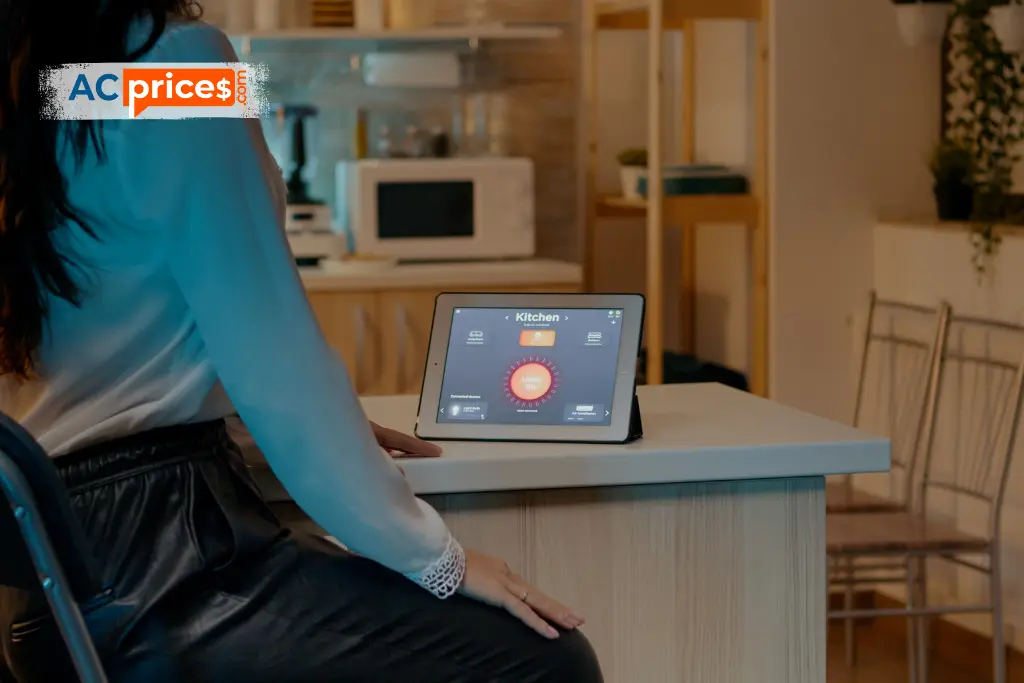
A smart thermostat is a Wi-Fi–enabled temperature controller that automatically adjusts heating and cooling based on usage patterns, occupancy, and environmental conditions.
Smart Thermostat vs Programmable Thermostat
Many homeowners assume programmable thermostats offer the same savings—but there are critical differences:
Feature
Programmable Thermostat
Smart Thermostat
Fixed schedules
Yes
Yes (adaptive)
Learns behavior
No
Yes
Remote control
No
Yes (mobile app)
Energy reports
No
Yes
Utility integration
No
Yes
A smart thermostat doesn’t just follow schedules—it optimizes them.
How Smart Thermostats Reduce Energy Bills
A smart thermostat saves money by reducing waste, not comfort.
1. Intelligent Scheduling
Instead of running on static time blocks, the system adapts to when you’re actually home—cutting unnecessary runtime.
2. Learning Occupancy Patterns
Over time, the thermostat learns daily habits and automatically adjusts temperatures to avoid heating or cooling empty spaces.
3. Remote Control & Monitoring
Forgot to turn down the heat before leaving? Mobile access lets you make instant adjustments, preventing hours of wasted energy.
4. Utility Rebates (Canada-Specific)
Many Canadian utility providers offer rebates for installing a smart thermostat—especially when paired with high-efficiency systems. These rebates can offset $75–$150 of the upfront cost, depending on province and program availability.
According to Natural Resources Canada, smart thermostats help reduce household energy use by optimizing heating and cooling schedules based on real occupancy patterns.
Smart Thermostats + Heating Systems in Canada
Not all heating systems benefit equally. Compatibility matters.
Baseboard Heaters
Electric baseboard heaters require line-voltage smart thermostats. Savings are moderate but meaningful, especially in condos and apartments where electric heat dominates.
Furnaces (Gas & Electric)
Forced-air furnaces see some of the highest returns from smart thermostats due to precise temperature control and shorter run cycles.
Heat Pumps
Heat pumps benefit from smart thermostats that understand gradual temperature changes—preventing inefficient short cycling.
Smart Thermostats + AC Systems
Central Air Conditioning
For homes with central AC, a smart thermostat can reduce summer cooling costs by 10–15%, especially during peak usage hours.
Ductless Mini-Split Systems
Savings depend on model compatibility. Some ductless systems require manufacturer-approved smart controls rather than universal thermostats.
Pairing a smart thermostat with the right system matters, which is why following a central air conditioner buying guide for Canadians can help homeowners choose models that maximize efficiency and long-term savings.
Cost vs Savings Breakdown (Realistic Numbers)
Upfront Costs
Smart thermostat device: $150 – $350
Professional installation: $0 – $200 (often free with HVAC upgrades)
Annual Energy Savings (Canada Average)
Heating savings: 8–12%
Cooling savings: 10–15%
Estimated dollar savings: $120 – $250 per year
Payback Period
Most homeowners recover the full cost within 1.5 to 3 years, faster if rebates apply.
From our pricing analysis across Canadian HVAC upgrades, homeowners who combine a smart thermostat with a high-efficiency furnace or heat pump see the fastest payback.
Understanding your AC running cost in Canada helps put smart thermostat savings into perspective, especially during peak summer cooling months.
Who Benefits the Most from a Smart Thermostat?
Homeowners
Best ROI for detached homes and townhouses with furnaces or central AC.
Rental Properties
Landlords can limit excessive energy use while tenants maintain comfort.
Multi-Family Units
Centralized control and usage insights help manage shared energy costs efficiently.
Common Smart Thermostat Mistakes to Avoid
Choosing a model incompatible with your heating system
Overriding smart features manually too often
Ignoring rebate programs
Assuming all ductless systems are universally compatible
FAQs: Smart Thermostat Cost Savings in Canada
1. Do smart thermostats really save money in cold Canadian winters?
Yes. Heating dominates energy costs in Canada, and smart thermostats reduce unnecessary furnace runtime significantly.
2. Are smart thermostats worth it for apartments?
They are especially effective for electric baseboard heating when using line-voltage compatible models.
3. Can I install a smart thermostat myself?
Some systems allow DIY installation, but professional setup ensures proper wiring and system compatibility.
4. Do smart thermostats work with older HVAC systems?
Most do, but very old furnaces or specialized systems may require verification before installation.
5. Will a smart thermostat increase home value?
While modest, smart home features—including thermostats—are increasingly viewed as value-added upgrades.
Conclusion: Is a Smart Thermostat Worth It?
A smart thermostat is one of the few home upgrades that delivers immediate comfort and measurable cost savings—especially in Canada’s climate. When matched with the right heating or AC system, it becomes a powerful tool for reducing long-term energy expenses.
Smart thermostats work best when combined with strategies that maximize air conditioning efficiency, including proper insulation, maintenance, and system sizing.
Want to maximize your savings?
Compare AC and heating systems compatible with smart thermostats and explore real pricing insights on ACPrices.ca before upgrading.
Need Help Choosing the Right AC?
Have questions about selecting or sizing your next air conditioner?
Our expert-backed guides and local contractor directory can help you make a confident decision. Visit acprices.ca to learn more or request free quotes from certified installers near you.
📌 When Are You Planning to Install a New AC?
Let us know your preferred timeline so we can match you with the right local professionals:
Our network of certified contractors covers most major Canadian regions, offering support whether you’re replacing an older system or evaluating new AC models.
 Canadian